Don’t you just love a 2 episode week? We’re back with episode 51 continuing our book club series on Richard Osman’s The Thursday Murder Club.
In this episode we talk about chapters 32-40; we discuss the things that happen, our favourite parts and examine some interesting vocabulary that comes up.
Why not read and listen along? Or, if you’re a teacher, encourage your students to do so.
This is a special summer edition of my “Where do you stand?” conversation series. Students decide to what extent they agree with different statements on the topic of summer activities and holidays and then share their views with their classmates. Download the PowerPoint and student handout below:
This is another edition of my “Where do you Stand?” conversation series. Students debate different topics related to education but must rate their opinion on a scale from 1-6 before they begin the discussion. Download the PowerPoint and student handout below:
This is another edition of my “Where do you Stand?” conversation series. Students debate different topics related to science and technology but must rate their opinion on a scale from 1-6 before they begin the discussion. Download the PowerPoint and student handout below:
NEW EPISODE! In Episode 47 Tim & Katy tell stories of some of the unluckiest people to have ever lived! Which one do you think is the unluckiest?
This great lesson plan by Alice at Hot Take English is based around one of the hard luck stories from this episode; why not set the podcast for homework and then use the lesson plan in the following class?
This is a guest post by my friend, colleague and co-host of the podcast 2Ts in a pod, Katy Wright. It’s designed to help students preparing for the B2 first exam get to grips with some of the phrasal verbs and fixed expressions they might encounter in the exam. Students read a text about Jim’s forgotten dream, then try to recreate the text using key words. Download the student handout below:
Jim couldn’t stand his job. All he did all day was sit at his desk and pretended to work while watching the heavy rain outside his window. He was meant to be selling insurance on the phone, but he wasn’t very good at it. In fact, he had sold very few contracts. This was because all he had ever wanted to do was be an actor in Hollywood. He had loved acting when he was a teenager, but instead of going to America he studied Business and he put off looking for fame. “I’ll look into that when I have finished Uni” he said to himself. This was his biggest regret in life. On his way into work that day, his 15-year-old car broke down. Standing in the rain trying to change the tire he made up his mind. He wasn’t going to carry on like this. He was going to make a big change…
Answer the questions in groups.
What is Jim’s big dream?
Why do you think Jim didn’t decide to become an actor after Uni?
What do you think makes him change his mind?
What big change do you think he is going to make?
What will happen at the end of the story?
What do you the expressions in yellow mean?
Can you translate them to Catalan/Spanish?
Do you have similar expression in Catalan/Spanish?
Try to remember the original expression used in the story. The words in brackets are to help you.
Jim hated (STAND) his job. All he did all say was sit at his desk and pretended to work while watching as it rained heavily (HEAVY) outside his window. He should have been (MEANT) selling insurance on the phone, but he wasn’t very good at it. In fact, he didn’t sell many (FEW) contracts. This was because all he had ever wanted to do was be an actor in Hollywood. He had loved acting when he was a teenager, but rather than go (OF) to America he studied Business and he postponed looking (PUT) for fame. “I’ll investigate (INTO) that when I have finished Uni” he said to himself. This was his biggest regret in life. On his way into work that day his 15-year-old car stopped working (DOWN). Standing in the rain trying to change the tire he made a decision (UP). He wasn’t going to continue like this any longer (ON). He was going to make a big change…
Write the original expressions here:
STAND…………………………………………………………………………
HEAVY…………………………………………………………………………
MEANT …………………………………………………………………………
FEW …………………………………………………………………………
OF …………………………………………………………………………
PUT …………………………………………………………………………
INTO …………………………………………………………………………
DOWN …………………………………………………………………………
UP …………………………………………………………………………
ON …………………………………………………………………………
Write the rest of the story. Use the questions to help you.
Middle:
What does he decide to do next?
How will he change his life?
What does he do to help him realize his dreams?
End:
Does he finally reach his goals?
How does he feel about his situation?
Does he ever think about his old life?
Read all of the paragraphs and vote on the you think is the best
This is a guest post by Alice from Hot Take English on the topic of superstitions and bad luck. Students discuss common superstitions in English speaking cultures and their own, then read an article about some seriously bad luck. The main grammar focus of the lesson is the 3rd conditional to talk about hypothetical past events. Download the handout and teacher’s notes below:
Visit https://www.hottakeenglish.com/ to check out more of Alice’s work. She has some great, free materials on a range of engaging topics.
What Bad Luck – Student Worksheet
1) Warmer: superstitions
Below is a list of good and bad superstitions that are particularly popular in the UK and Ireland. Discuss them with a partner. From where do you think they originate? Do you believe they bring bad/good luck?
Things that bring bad luck:
Walking under a ladder
Seeing one magpie
Putting new shoes on a table
Opening an umbrella inside
Things that bring good luck:
Getting pooed on by a bird
Coming across a black cat
Finding a four-leafed clover
What superstitions are there in your culture or country?
2) Vocabulary
Match the words on the left with their meanings on the right.
1. jackpot
a) extremely shocked
2. invalidated
b) the sale was not successful/the money was not taken out of the person’s bank account
3. stunned
c) not enough
4. draw
d) the most valuable prize in a game or contest
5. the payment didn’t go through
e) very very happy
6. insufficient
f) stopped a ticket from being legally or officially acceptable
7. on top of the world
g) the act of selecting numbers or names randomly to decide the winners of a competition
3) Comprehension check
Read the article. Are these statements true or false?
Rachel Kenny lost the winning ticket.
The 19-year old student was aghast at what had happened.
Rachel and Liam chose different numbers each time they played the lottery.
The money for the lottery tickets was usually taken directly from Rachel’s bank account.
The problem was that Rachel didn’t have enough money in her bank account to pay for the ticket.
Rachel and Liam refuse to play the lottery any more.
4) Grammar practice
With a partner, write down as many third conditional sentences about the article as you can.
E.g. “If the payment had gone through, they would have won the lottery”.
Writing: My Biggest Regret
Write 100-500 words about your “biggest regret”. Include some third conditional sentences.
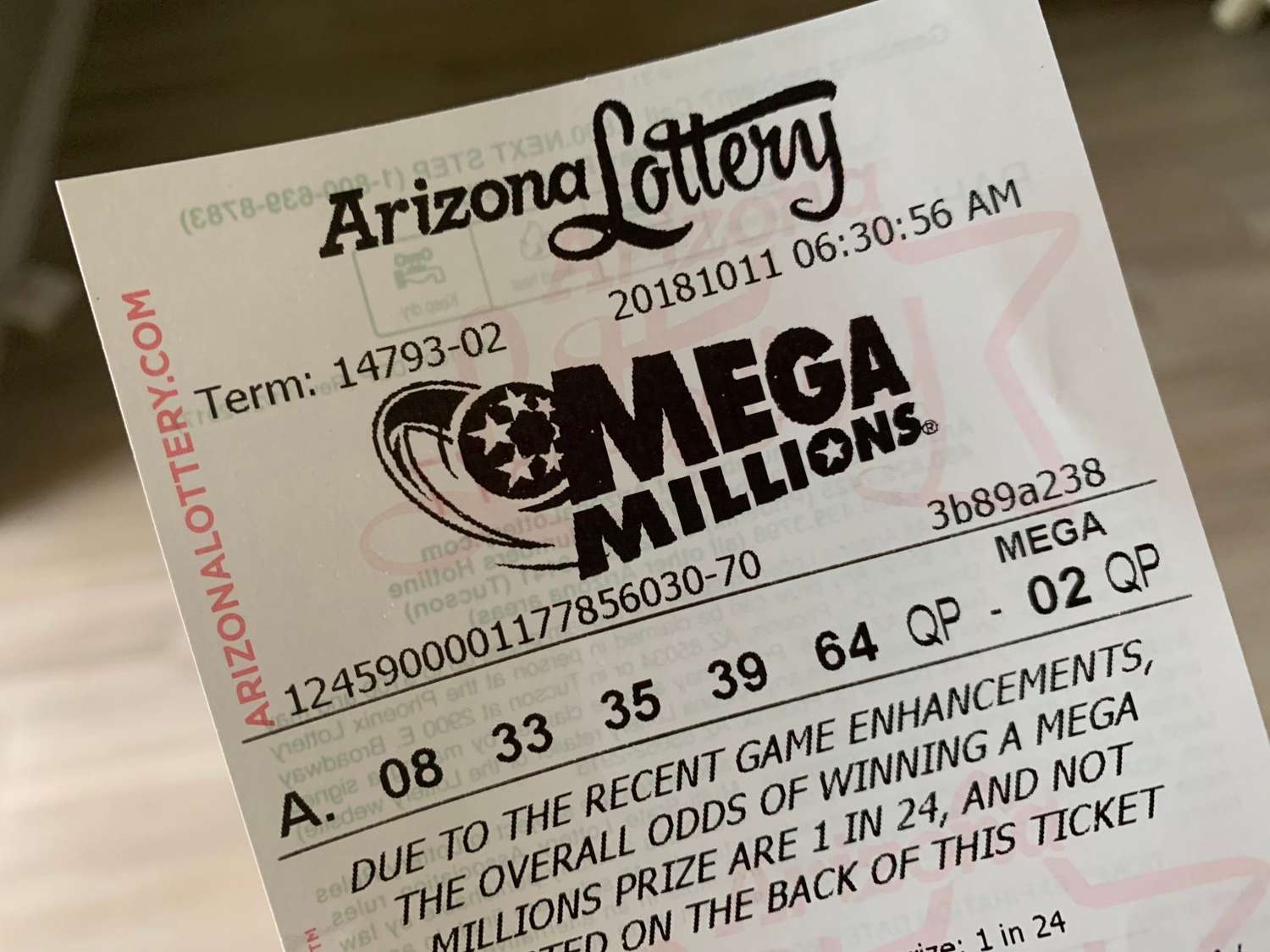
EuroMillions Player ‘Heartbroken’ After Finding Error Cost Her £182m Lottery Jackpot
The 19-year-old was in shock when her numbers came up – until she noticed a critical problem
Originally published 2 March 2021
A 19-year-old student who thought she had won a £182m lottery jackpot has been left “absolutely heartbroken” after realising an error invalidated the ticket.
Rachel Kennedy, 19, and her boyfriend Liam McCrohan, 21, were stunned when their regular numbers of 6, 12, 22, 29, 33, 6 and 11 came up in the EuroMillions mega jackpot.
Kennedy had played the same numbers for five weeks in a row and had a direct debit set up to automatically play the numbers each week.
The teen was greeted with a message saying she had a ‘winning match’ after last Friday’s draw, according to The Sun.
However, the business student’s hopes of being one of the richest women in Britain were crushed when she found the ticket sale had not gone through due to insufficient funds in her account.
Rachel, of Brighton University, said: “I called my boyfriend Liam and my mum into the room and they couldn’t believe it either so I was like, ‘Oh! My God! I need to call them’.
“I called the number thinking that I had won £182m and they said ‘yeah you’ve got the right numbers but you didn’t have the funds in your account for the payment of the ticket so it didn’t actually go through’.
“I was on top of the world when I thought I had won, but when I found out I hadn’t, Liam was actually more upset than me.”
Rachel said they were “absolutely heartbroken” – and now thinks of her usual weekly numbers as “unlucky” and has decided to change them.
This is a guest post by Soleil García Brito. It is a lesson plan on the topic of gender roles. Students complete a First-Certificate-style multiple choice cloze exercise, a listening comprehension based on a clip from Friends and finally, a discussion on the topic. Download the student handout and teacher’s notes below:
This is a Halloween-themed speaking lesson plan. It was designed with C2 proficiency students in mind as preparation for speaking part 2. However, it can be used with a wide range of levels. Download the powerpoint below:
I recommend giving out one of my phrase sheets before doing the task. Find them using the search function.
If you’re teaching C1 or C2 students you could also use my “Scared Stiff” lesson plan to look at language to describe feeling scared or to talk about horror films.
Put students in pairs and go through the powerpoint. Students will have to discuss and make decisions about different elements of horror films and other topics related to fears and phobias.
This is a grammar lesson for B2 students. Students will be introduced to the language for expressing wishes through a short dialogue from a therapy session. The subject of therapy and mental health may be a sensitive subject with some students so gauge your group carefully. Download all the materials below:
Show the first slide of the presentation, you could either have students come up with their own warmer questions about the topic or use the questions on slide 2.
Language in Context
Give out the handout, have students read the text and then answer the question “how much do you have in common with Natalia?” in pairs. Feedback in open class.
Have students answer the detail questions. These questions are designed to guide students to the examples of the target structures on the text.
Language Focus
Lead students through the next slides. Encourage students to work in pairs to examine the patterns that follow the the target structures. Try to get students to tell you how the structures work rather than vice versa.
Controlled Practice
Have students complete the practice activity individually and then have them compare their answers with a partner. Encourage them to explain the reasoning behind their choices.
Key:
I wish I were/was rich.*
If only I had green eyes.
I wish I had studied more for the exam yesterday.
If only my brother wouldn’t annoy me so much.
I wish I looked like Ariana Grande.
If only my teacher wouldn’t give me so much homework. (hadn’t given me also possible)
Put students in pairs or threes and have them write a therapy dialogue using the target language as often as possible. Encourage them to be imaginative and be as overly dramatic as possible.
You should also encourage students to use them in their writings, particularly informal emails/letters: “Your holiday sounds amazing I wish I had gone with you!”